
When choosing an employee engagement platform, prioritize intuitive UX, peer-to-peer recognition, automation, analytics, gamification, flexible rewards, and integrations with Slack or Microsoft Teams.
Platforms like Esteeme streamline recognition workflows, making appreciation both seamless and motivating. The best tools support varied types of employee recognition, ensuring that appreciation feels meaningful and personalized.
This consistency nurtures a healthy culture of recognition, which is no longer optional for modern teams.
When a platform is easy to use and widely adopted, great recognition sets the foundation for belonging, performance, and long-term retention. Such systems also ensure that employees feel valued, not just acknowledged in passing. By offering meaningful rewards, an effective platform fosters a deeper emotional connection and encourages employees to bring their best work forward.
🌟 Why the Platform You Choose Matters More Than You Think
Recognition is no longer about holiday greetings and annual awards. In a hybrid-first reality — where one developer works from Lisbon, a designer logs in from Warsaw, and a manager joins weekly from Singapore — HR efforts must scale digitally. In this environment, building a modern employee recognition program is no longer optional, especially for distributed teams that expect seamless and timely appreciation.
A well-chosen employee recognition platform becomes the heartbeat of daily appreciation, especially when powered by gamification. The right platform doesn't just support recognition — it shapes behavior, culture, and sentiment. By integrating recognition and rewards into everyday workflows, companies set the foundation for stronger engagement and higher productivity. The impact goes beyond simple gestures, influencing how teams collaborate and stay motivated.
Poor choice = low adoption Great choice = culture shift
Technology is no longer just an HR tool. It's a cultural amplifier.
When recognition becomes visible, social, fun, and rewarding, people are more likely to participate. And when recognition becomes regular, morale rises, burnout decreases, and strong culture grows organically — the true mark of a thriving employee recognition program.
1.
Most failed recognition initiatives aren’t strategic failures — they're usability failures.
If the platform is clunky, slow, or designed “for HR, not humans,” employees won’t choose to use it. And when no one uses it, recognition disappears from daily life, morale slips, and turnover can rise faster than expected.
A smooth, human-friendly experience goes beyond simple gestures and becomes a powerful signal of what the organization truly values. When the tool feels natural and enjoyable, it strengthens company culture and helps recognition stick.
Ask yourself during demo:
👉 Can a team member send appreciation in under 20 seconds? 👉 Would employees enjoy using this daily — without reminders? 👉 Does it feel social, modern, and familiar (like Instagram, not SAP)? 👉 Is onboarding smooth or does it need training and manuals?
If you imagine employees saying, "Ugh, another tool" — run.
But if the system feels intuitive, lightweight, visually pleasant, and rewarding — you’ve found potential.
Recognition should feel like scroll → smile → send appreciation, not “find feature inside feature.”
A recognition platform is a digital recognition environment — not a corporate archive.
The Final Decision Checklist for Choosing the Right Employee Recognition Platform
Feature | Non-negotiable? | Why it matters |
Mobile-first & desktop-friendly | ✔ | frontline workers + hybrid teams won't open laptops for praise |
Clear feed for public recognition | ✔ | social visibility = emotional impact |
Fast recognition action | ✔✔✔ | if sending thanks takes effort → won't happen |
Friendly UI with no learning curve | ✔ | makes recognition natural |
If you can’t imagine employees using it voluntarily — it’s not the right platform.

2.
This isn't about turning work into games — it's about adding motivation loops.
Think of it as “Behavior Design for Culture.”
Humans naturally respond to rewards, signals of progress, and moments of recognition. Gamification turns that instinct into a structured system that people actually enjoy using.
By reinforcing meaningful actions, it shapes workplace culture in a way that feels organic rather than forced. This approach goes beyond simple gestures, creating habits that support engagement and accountability. Ultimately, it becomes a powerful cultural tool, not just a feature.
Great employee recognition platforms offer:
🎖 Digital badges tied to values 🏆 Leaderboards that highlight contribution (not competition toxicity) 🎯 Recognition quests or challenges ⭐ Levels, streaks, progression 🎁 Reward catalogs with gift card redemption ✨ Points-based economies
When you use gamification, recognition becomes visible, repeatable, and sticky. It encourages participation and boosts employee engagement without HR force.
It frees the HR team from constant reminders and provides them with effortless tools to reward employees in ways that feel motivating. Because the system reinforces positive behaviors automatically, it becomes a cultural driver rather than an HR obligation.
Example scenario
Instead of:
Manager sends a thank-you email. Forgotten in 3 days.
With gamification:
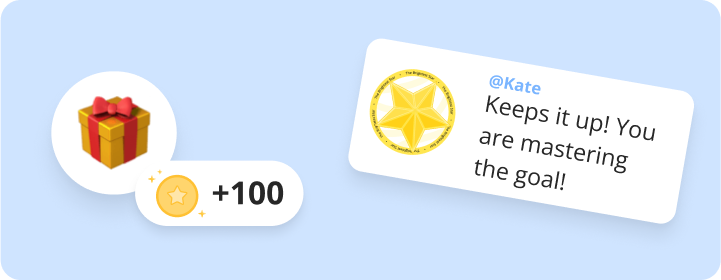
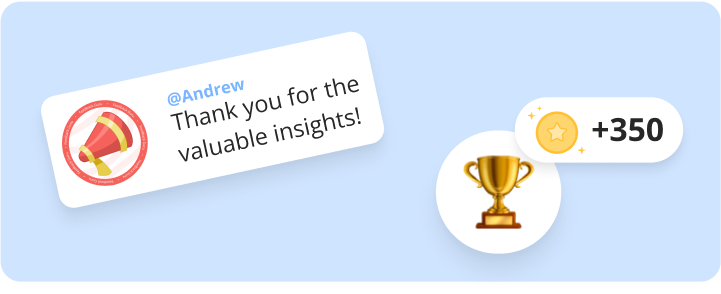
Teammate sends kudos → colleague earns 10 points → badge “Team Hero” appears in feed → gift card unlocked after level-up.
Same message. 10x emotional impact.
Gamification isn't decoration. It's behavior architecture.

3.
A branded mug will not make anyone cry happy tears. A fruit basket won’t build loyalty. A cheap hoodie won't signal appreciation.
The modern workforce values choice. And the most loved recognition reward system today is digital gift cards + reward catalogs.
Why gift cards work better:
• remote-friendly • instant delivery • global redemption • no shipping • people choose what matters
Maybe Anna buys books. Maybe Mark uses it for Netflix. Maybe Sofia donates to a charity. Maybe Ahmed chooses coffee credits.
Same gift → different meaning. That is personalization.
And when personalization is built into your recognition efforts, employees feel a deeper connection to the reward itself. This level of autonomy strengthens loyalty and boosts employee retention, because recognition feels tailored rather than transactional.
Your employee recognition platform must support:
✓ multiple reward options ✓ global gift card catalog ✓ points marketplace ✓ experiences + donations ✓ flexible redemptions
Recognition matters most when it reflects human preference, not company assumption.
4.
If HR must manually schedule recognitions — they won’t scale.
Your platform should automate:
⏺ birthdays ⏺ work anniversaries ⏺ onboarding milestones ⏺ project completions ⏺ peer recognition reminders ⏺ year-end awards ⏺ reward distribution
Recognition frequency shouldn’t rely on memory — it should be built into the workflow.
Platforms like Esteeme automate milestones, schedule messages, integrate with Slack and Microsoft Teams, and even allow “instant bonus gift cards” tied to performance wins.
By embedding recognition into daily tools, organizations naturally create a culture where appreciation is visible and constant. This makes a measurable difference when competing for top talent, who expect modern, engaging experiences. Automating recognition goes beyond simple gestures, turning everyday achievements into moments that fuel motivation in the long run.
Automation creates consistency. Consistency creates culture. Culture creates retention.
5.
When colleagues appreciate one another directly, it strengthens trust and connection in a way that top-down praise never can. This form of social recognition reflects what people value most in day-to-day collaboration. Following recognition best practices ensures these moments become consistent rather than sporadic. Peer-driven appreciation extends beyond simple gestures and lays the groundwork for long-term belonging and engagement.
Manager-only praise is outdated. Gen Z and Millennials seek horizontal appreciation, not only top-down.
Peer-to-peer recognition:
👍 boosts belonging 🤝 builds stronger relationships 🌍 unites remote colleagues 💬 increases recognition volume
Ask during demo:
"Show how employees send kudos to each other publicly."
If it's hidden behind dashboards → low usage. If it's social feed-based → high adoption.
Recognition should feel like Instagram stories — not HR paperwork.

6.
Data helps HR teams understand which recognition moments reveal whether the employee experience matches the company’s intentions. These insights make it easier to strengthen a culture of appreciation, ensuring no team or individual is overlooked. When companies use data to guide their approach, kindness becomes repeatable, scalable, and tied to real outcomes.
Emotion builds culture. Data scales culture.
The right platform must deliver recognition analytics:
📊 participation rate 📊 who gives vs who receives 📊 engagement spikes 📊 silent departments 📊 sentiment trends 📊 reward redemption data
This helps HR track engagement, prevent burnout, spot unrecognized high performers, and improve program design.
You can’t optimize what you can’t measure.

7.
When employees have more choices, participation rises and enthusiasm becomes easier to sustain. A rich catalog turns a standard rewards and recognition program into something that feels personal and energizing. In a complete guide to modern recognition, variety is not just a nice-to-have — it’s essential. Offering meaningful options goes beyond simple gestures and sets the foundation for long-term engagement.
Reward variety keeps motivation alive.
Look for:
• international gift cards • experience rewards • wellness perks • extra time off • charity options • learning credits • tiers and point multipliers
Rewards must feel exciting — not transactional.
When rewards inspire joy, recognition becomes habit.

The Final Decision Checklist for Choosing the Right Employee Recognition Platform
Think of this checklist as your roadmap to choose the best platform—one that aligns with your people, processes, and culture. It helps you assess how effectively the tool acts as a reward gateway, turning appreciation into real motivation. When done right, the platform can elevate employee performance by making achievements timely, visible, and rewarding.
If a platform covers at least 80% below, short-list it:
🎯 Core must-haves
✔ Fast UX + frictionless recognition ✔ Social feed for public appreciation ✔ Peer-to-peer recognition ✔ Gamification (badges, points, levels) ✔ Gift cards & reward catalogs ✔ Slack & MS Teams integration ✔ Automated milestones ✔ Recognition analytics ✔ Global workforce support
🏆 Ideal add-ons
✨ culture badges ✨ holiday campaigns ✨ onboarding journeys ✨ spot-bonus triggers ✨ manager dashboards ✨ customizable company values
The more boxes ticked, the more likely it drives daily use — not quarterly spikes.
In The End — You Aren’t Choosing Software, You’re Choosing Culture
The platform you select becomes the lens through which employee appreciation is expressed every day. A modern rewards platform does more than distribute perks — it sets the foundation for how people feel recognized, supported, and connected. The choice you make shapes your entire engagement strategy, determining whether recognition feels authentic or merely administrative. Done well, it strengthens employee satisfaction and reinforces a culture where people want to do their best.
Recognition isn't a tool — it's a feeling. But software enables that feeling to scale.
If you want a culture where appreciation is visible, social, celebrated, gamified, and part of everyday work, choose a platform that makes recognition easy, emotional, and rewarding.
A strong recognition ecosystem doesn't just thank people.
It keeps them. It grows them. It bonds them.
Platforms like Esteeme help organisations build recognition habits that feel fun, personal, and human. Points, badges, gift cards, automation — everything inside one engagement environment. By making meaningful recognition easy and frequent, these tools boost employee morale and keep teams energized. This consistency also helps companies retain top talent, as people tend to stay where they feel appreciated. Over time, this visibility improves engagement scores and creates momentum that reinforces itself.
If your goal is to build a workplace where people feel seen, supported, and celebrated not once a year — but every week — you’re already thinking like a future-ready HR leader. You're choosing practices that go beyond simple gestures and build a culture designed for resilience and growth.
Recognition becomes culture when it becomes consistent. Consistency begins with the right platform.
Related articles
See all Posts
Best Employee Recognition Software for Healthcare (2026)