
A recognition point system turns everyday appreciation into something employees can see, collect, and redeem. Done right, it makes recognition habitual — and keeps the budget under control. This guide covers how point systems work, common pitfalls, and how a game economy takes the model further.
What is an employee recognition point system?
It is a program where employees earn points (or coins) for contributions — peer shout-outs, milestones, values-aligned behavior — and redeem them for rewards: gift cards, merchandise, experiences, or branded swag.
Why point systems beat ad-hoc recognition
Consistency: recognition happens weekly, not once a year
Visibility: everyone sees appreciation happening in real time
Budget control: points decouple perceived value from actual spend
Data: participation and redemption analytics show what motivates people
Points vs. coins: the game economy upgrade
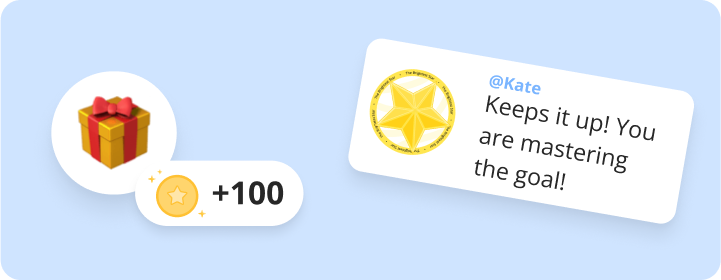
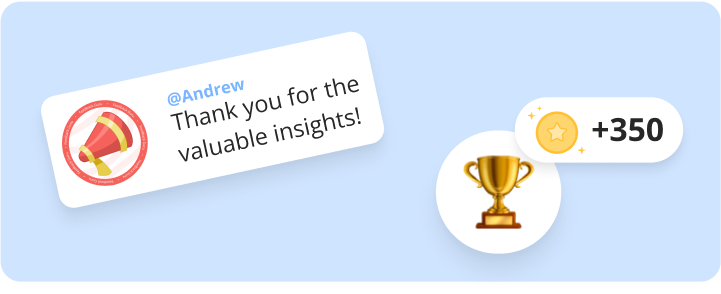
Classic point systems reward transactions. A game economy — like Esteeme's coin-and-badge model — rewards behavior: employees earn coins for events, anniversaries and projects, unlock badges mapped to company values, and spend coins in a gift store. Reported results: up to 40% lower recognition cost and up to 75% higher engagement.
How to budget a point system
Set a monthly coin allowance per employee (predictable spend)
Keep reward spend separate from platform subscription
Watch the redemption rate — 60–80% is healthy
Start with low-cost, high-perceived-value rewards (recognition itself is the reward)
Common mistakes to avoid
Making points feel like salary (kills the emotional value)
Manager-only recognition (peer-to-peer drives most volume)
Complicated rules (if people need a manual, they won't participate)
No analytics (you can't improve what you don't measure)
Want to see a coin-based game economy in action? Esteeme combines points, badges, automated celebrations and a gift store — built for HR, grounded in behavioral science. Start a free trial at demo.esteeme.net.
FAQs
- A program where employees earn points or coins for contributions — peer shout-outs, milestones, values-aligned behavior — and redeem them for rewards like gift cards, merchandise or branded swag.
- Set a fixed monthly allowance per employee so spend is predictable. What matters is recognition frequency, not point volume — small, frequent recognition beats rare large bonuses.
- A game economy adds badges mapped to company values, challenges, automated celebrations and player profiles on top of points — driving up to 40% lower recognition cost and higher engagement.
Related articles
See all Posts
Best Employee Engagement Software in 2026: 9 Platforms Compared