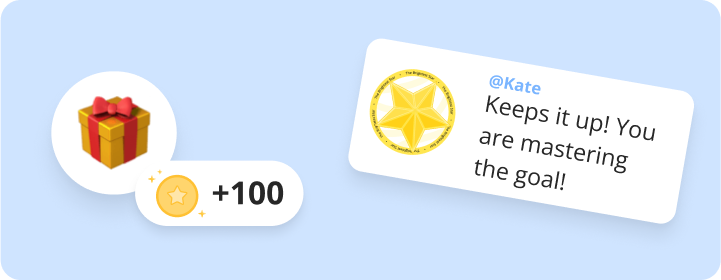
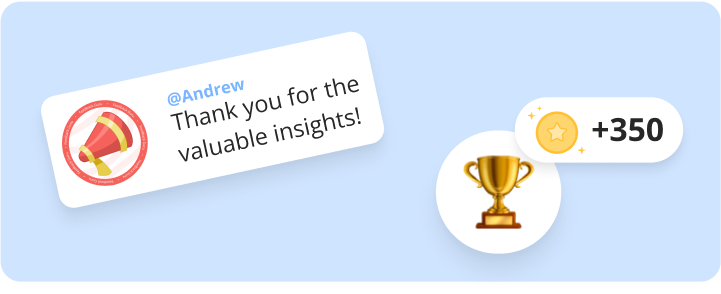

Gamification means applying elements of game design—like points, levels, and rewards—to work contexts. For HR teams, gamification can increase engagement, improve performance, and make recognition feel meaningful. Platforms like Esteeme make it easier to design systems that fit your people and business goals, not just add points for the sake of it. Done well, gamification turns motivation into a measurable, sustainable system.
Why Gamification Matters Now

Employee engagement has been steadily declining worldwide. Gallup’s latest workplace report shows that only 23% of employees feel engaged at work. At the same time, people are used to interacting with gamified systems daily—from fitness apps to loyalty programs. The workplace is no exception: employees expect work experiences to be motivating, personal, and interactive.
That’s where gamification comes in. It’s not about turning work into a game—it’s about using game mechanics to reinforce behaviors that drive real business outcomes.
What is Gamification?
Gamification is the strategic use of game design elements in non-game contexts. In HR, this often means applying rewards, recognition, and progression mechanics to motivate employees and shape culture.
Examples include:
Points and leaderboards to drive participation in training or challenges.
Levels or badges that recognize milestones, from years of service to new skills learned.
Virtual currencies or rewards employees can exchange for perks or gifts.
Progress tracking for activities like wellness programs, learning modules, or peer recognition.
The purpose isn’t just fun—it’s creating a clear system of feedback, recognition, and motivation that aligns with organizational goals.
Key Benefits of Gamification in HR

When implemented thoughtfully, gamification can:
Boost engagement: Employees see progress and recognition tied to their contributions.
Improve learning outcomes: Gamified learning platforms increase knowledge retention by up to 60%.
Encourage collaboration: Team-based challenges build a stronger sense of community.
Reinforce company values: Recognition linked to values helps embed culture in daily work.
Support retention: Engaged employees are 87% less likely to leave their organization (Gallup).
Challenges and How to Avoid Them
Poorly designed gamification can backfire. Overly simplistic leaderboards may discourage those at the bottom. Rewards without meaning feel superficial. And not every employee responds the same way.
That’s why effective gamification is:
Inclusive → different players are motivated by different things.
Transparent → rules and recognition must be clear and fair.
Connected to purpose → rewards tied to real business and cultural goals.
Platforms like Esteeme help HR leaders design engagement mechanics that respect these principles—combining recognition, levels, and smart events into one system that motivates without overwhelming.
How to Get Started with Gamification

Define your goals: What behaviors or outcomes matter most? (e.g., collaboration, upskilling, innovation).
Map employee motivators: Some value public recognition, others prefer private milestones.
Choose mechanics carefully: Don’t copy-paste game features—adapt them to your culture.
Measure impact: Track participation, engagement scores, and links to business KPIs.
Evolve over time: Keep iterating as employee needs change.
FAQs
- Gamification applies game design elements such as points, badges, levels, and rewards to workplace activities. It helps HR teams boost engagement, reinforce company values, and motivate employees by making recognition more interactive and measurable.
- No. Research shows that employees of all ages respond positively to gamification when it aligns with their values and needs. Effective design focuses on meaningful mechanics like recognition for loyalty, milestones, and collaborative achievements.
- Evaluate gamification by connecting it to measurable outcomes such as engagement survey results, participation rates, retention, or productivity metrics. Even simple before-and-after comparisons can uncover clear trends and impact.
Related articles
See all Posts
Best Employee Recognition Software for Manufacturing (2026)