
Forget the mugs and generic swag. In 2025, workplace gamification is emerging as a powerful and engaging method to celebrate teams, boost employee motivation, and reinforce cultural values.
By incorporating gamified elements, such as leaderboards, points, and tailored rewards, HR and brand teams can design holiday experiences that enhance motivation, enrich recognition programs, and foster engagement across hybrid teams. This shift enables companies to create celebrations that feel dynamic and personalized, rather than routine. Ultimately, it turns seasonal initiatives into moments that people genuinely look forward to.
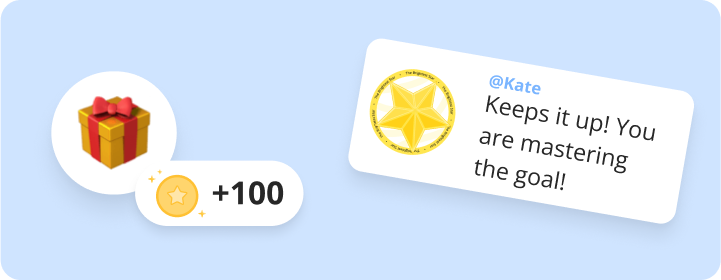
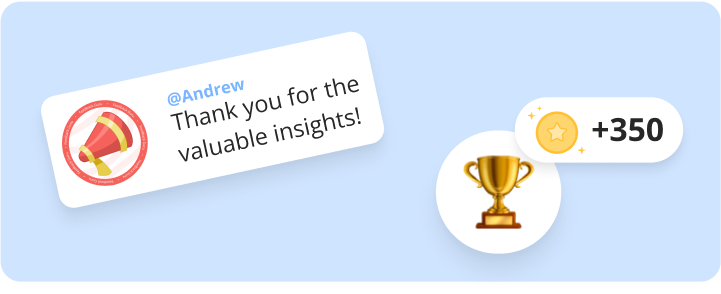
Platforms like Esteeme, one of the leading gamification platforms, make implementing gamification easy — automating badges, coins, employee feedback, and key performance indicators to measure the success of gamification efforts.
Why Gamified Gifting Works: The Power of Gamification
Gamification Has Emerged as a New Engagement Strategy
In today’s HR landscape, gamification turns traditional recognition into systems that are both measurable and inspiring. It leverages our innate desire for progress, mastery, and connection, building a strong sense of achievement and belonging. When thoughtfully designed, these systems make everyday work feel purposeful and rewarding.
Research shows that effective gamification can increase employee engagement by 40–60% while also enhancing retention and overall performance. (albimarketing.com)
This is why both marketing managers and HR leaders are adopting gamification across employer branding and marketing campaigns to create emotional resonance with the target audience — whether internal teams or external customers. Gamified experiences encourage deeper interaction, making messages more impactful and easier to remember. They also help brands stand out by offering interactive touchpoints that feel fresh and meaningful. When implemented correctly, gamification goes beyond pure fun: it reveals what truly drives employees, highlights areas where engagement may be lacking, and ensures that every recognition investment delivers concrete value. Ultimately, it becomes a strategic tool for improving culture, communication, and organizational outcomes.
Top 10 Gamified Corporate Christmas Gift Ideas to Drive Engagement

1. Christmas Roulette: Spin to Win in a Fun and Interactive Way
What it is: A digital “holiday roulette” spin-to-win game where employees earn rewards by completing festive tasks — such as finishing a project, sharing kudos, or joining a team challenge. Why it works: This engaging, interactive mechanic builds anticipation and strengthens daily employee engagement. Gamification works by inspiring intrinsic motivation — it rewards genuine participation, not just rule-following. Pro tip: Combine spins with exciting rewards, such as gift cards, charitable contributions, or customized incentives. Result: You’ll drive employee participation and see higher engagement rates throughout the season.
2. The Digital Advent Quest: Gamification in the Form of Daily Micro-Wins

Turn the traditional corporate gift into an interactive holiday season celebration. Employees open 24 virtual “doors,” each revealing a mini-game, puzzle, or wellness mission.
As they complete tasks, they earn points, badges, or even “bonus spins.”
This type of gamification boosts morale and fosters consistency while giving employees autonomy over how they engage. It also introduces playful variation during a busy season, helping employees feel energized rather than overwhelmed. Over time, the steady flow of small wins strengthens overall engagement.
For hybrid companies, Advent quests offer a modern gamification strategy that keeps participation high during year-end routines, which tend to slow. They help unify teams across locations and ensure that engagement remains strong throughout the final stretch of the year.
3. Mystery Boxes & Drop Days: Surprise and Delight Marketing Approach

Picture merging digital marketing techniques with the concept of employee gifting. On surprise days, teams get a virtual “mystery box” that unveils experiences, e-vouchers, or collectible “swap tokens.”
This marketing game generates excitement and storytelling, boosting engagement and highlighting the originality of your employer reputation.
Every drop delivers a small burst of joy — and captures insights you can track in your analytics dashboard.
4. Coin-for-Choice Marketplace: Rewarding Employees with Freedom to Choose

Allow employees to accumulate points by completing missions such as peer recognition, wellness tasks, or microlearning, and then use their coins to redeem the gifts and experiences they value most.
This approach moves beyond traditional rewards and focuses on empowering employees to make choices, ensuring they can select benefits that align with their personal preferences or ambitions. It also functions as a cultural marketing tool, transforming the act of redeeming rewards into a moment that highlights individuality.
A thoughtfully curated catalog of gifts—ranging from travel experiences to learning vouchers and donation options—provides personalization while maintaining equity. Gamification platforms such as Esteeme make this easy by delivering real-time insights into participation and reward usage.
5. Team Holiday Hunt: Gamified Recognition in Action

Combine competitive and cooperative elements by launching a scavenger hunt across your office or digital platforms.
Employees perform tasks like scanning QR codes, cracking riddles, or completing learning modules to unlock new levels.
As they participate, they collect rewards, badges, and leaderboard points that encourage playful competition.
This interactive way to recognize contributions builds stronger teams, enhances community spirit, and elevates employee engagement in an organic, enjoyable way.
6. Pay-It-Forward Charity Ladder: Recognizing and Rewarding Employees through Purpose

Recognition programs don’t always have to revolve around tangible rewards.
A “Charity Ladder” allows each completed challenge to contribute coins toward a donation funded by the company.
This approach celebrates employees’ empathy and shared values. As an innovative gamification model, it aligns recognition with meaningful impact, enhancing your company's brand.
Employees are motivated to participate more consistently and make a positive difference.
7. Holiday Learning Bingo: Gamification Meets Learning and Development

Turn compliance training into a fun and interactive game. Each square on the bingo card represents a specific learning task or cultural action (e.g., watching a short DEI video, submitting feedback, completing a module). Employees earn rewards for completing each line and are recognized on leaderboards. It’s an engaging way to motivate employees and ensure employees are motivated to continue their growth. This form of gamification merges development with celebration — improving employee performance and knowledge retention.
Plus, it adds a sense of fun to everyday tasks, turning learning into a game everyone wants to play. With each completed line, employees feel a mini victory — creating momentum that keeps them coming back for more.
8. Secret Santa, Reimagined: Gamification in Employer Branding
Give Secret Santa a modern twist with a digital swap game.

Players can use tokens they’ve earned to upgrade, trade, or even donate gifts. This fun spin on gamification in employer reputation celebrates fairness, creativity, and inclusivity.
It demonstrates how gamification transforms tradition — providing employees an interactive way to connect, share, and feel valued. It turns a classic tradition into an engaging experience where employees connect, share, and feel appreciated. Additionally, it serves as an internal marketing campaign, boosting brand loyalty and team spirit.
9. Twelve Days of Wellness: Inspire Lasting Engagement

Encourage healthy competition with a series of wellness challenges, including hydration, mindfulness, and walking streaks, over the course of a dozen days. Each success adds progress to a visual leaderboard, creating accountability and community. Employees earn rewards and share their achievements — creating an instant morale boost. This strategy is ideal for boosting engagement and promoting employee well-being during the busy season. It also highlights the measurable impact of gamification: greater participation, reduced stress, and stronger social connections.
10. The Golden Ticket: Where Prestige Meets Purpos
Plant digital “golden tickets” in your campaigns — lucky finders can unlock special perks like lunch with the CEO, bonus vacation days, or tickets to top conferences. These personalized rewards provide employees the freedom to choose experiences that matter most to them. It’s not about the expense — it’s about recognizing employees’ contributions in meaningful, memorable ways. These symbolic, status-based rewards highlight the true strength of gamification: using recognition to foster pride and a sense of belonging.
How to Build a Successful Gamified Recognition Program
Step 1: Define Purpose & KPIs
What defines success? Higher engagement rates, increased participation, and more positive employee feedback? Establish clear key performance indicators for each objective — such as attendance, reward redemption, and recognition frequency.
Step 2: Choose Gamification Mechanics
Choose gamification mechanics that align with your company culture — whether it’s points, badges, levels, leaderboards, or team missions. Balancing individual and group rewards promotes healthy competition while strengthening collaboration.
Step 3: Offer Rewards That Truly Inspire Motivation
Incorporate gifts, experiences, and rewards like gift cards or experiential bonuses — but always choose rewards that align with your company’s core values. Employees appreciate both the freedom to choose and the tangible recognition that validates their efforts.
Step 4: Use Data & Analytics
Utilize your gamification platform to monitor engagement levels, identify what’s working, and make prompt adjustments by adding game elements. Gamification also sheds light on emerging behavioral trends, providing HR with powerful insights into employee motivation and sentiment.
Step 5: Communicate & Celebrate
Spotlight team stories, showcase major wins, and roll out weekly leaderboards. When employees can perform better by adding game mechanics, they push harder and stay engaged — turning visibility into long-term participation.
Integrating Successful Gamification into Your Employer Brand and Marketing Strategies
Gamification in the workplace increasingly intersects with digital marketing — both rely on storytelling, rewards, and progression to engage your audience. For HR teams, it’s a marketing approach turned inward: the audience is your own workforce. Each campaign should spark employee participation, strengthen company culture, and reinforce your employer brand narrative.
Externally, marketing campaigns can reflect internal gamification — showcasing company culture through interactive experiences that boost both customer engagement and brand awareness. When HR and marketing join forces, gamification becomes a unified journey — from inspiring employees to sharing your brand story with the world.
Measuring the Success of Gamification
To demonstrate return on investment, focus on tracking these indicators:
Participation and completion rates
Average time spent in activities, revealing depth of focus
Reward redemption patterns and the quality of submitted feedback
Employee engagement
and satisfaction scores before and after campaigns
Growth in
recognition program
activity
Compare these metrics with results from previous years’ holiday engagement or motivation surveys. If the numbers increase and sentiment improves, your gamification efforts are working.
If both the numbers and the mood are up, your gamification strategy is successful.
Why Esteeme Is the Ideal Gamification Partner
Platforms like Esteeme make large-scale gamification easy to launch and manage:
A
gamification platform
featuring coins, badges, and automated triggers
A unified dashboard offering
analytics
on engagement and reward activity
Seamless integration with HRIS and communication tools
Ready-to-use templates for
marketing campaigns
and recognition moments
Real-time
employee feedback
collection
With these capabilities, you can enhance employee recognition, foster long-term engagement, and optimize every form of gamification throughout your organization.
Conclusion: Gamification Offers More Than Gifts
In 2025, gifting is no longer about merchandise — it’s about meaning. By applying innovative gamification techniques, HR teams can motivate employees, strengthen employer brand identity, and drive engagement through joy and purpose. When employees are motivated by progress, recognition, and community, they become brand advocates — the most powerful marketing force you already have.
🎁 The real gift isn’t what you give — it’s how you make people feel when they play, connect, and win together.
Related articles
See all Posts
Best Workhuman Alternatives for Employee Recognition (2026)