
Gamification is no longer just a buzzword—it’s a proven behavioral design strategy to boost motivation, participation, and team connection. As businesses struggle to keep employees engaged across remote, hybrid, and diverse setups, gamification offers a scalable, flexible approach. This article explores why it’s time for HR and People Ops to take it seriously.
The Challenge: Engagement Isn’t What It Used to Be
From silent Slack threads to unread intranet posts, employee experience often gets buried under a mountain of static communication. And despite more budget going into perks, recognition, and L&D, Gallup’s 2025 report shows engagement remains dangerously low—with only 23% of global employees feeling truly engaged at work.
What’s missing? Consistent, personalized, and motivating behavioral reinforcement—and that’s exactly where gamification steps in.
What Is Gamification in the Workplace?

Gamification means applying game mechanics—like points, badges, challenges, and levels—to non-game environments. In business, this translates to:
Rewarding desired actions (e.g., peer recognition, knowledge sharing)
Encouraging habits (e.g., completing onboarding, giving feedback)
Creating meaningful progress (e.g., leveling up in internal platforms)
Rather than simply pushing information, gamification activates behavior and turns routine tasks into motivating experiences.
Why Traditional Internal Comms Fall Short
Most internal comms rely on a one-size-fits-all approach: newsletters, mandatory training, or announcement blasts. These often struggle to:
Capture real attention
Drive repeated behavior
Deliver emotional impact
In contrast, gamified experiences use nudge theory, status psychology, and variable rewards to design for action, not just awareness.
Business Benefits of Gamification-Driven EX

Gamification is not just fun—it’s functional. Here’s what forward-thinking companies gain:
✅ Increased engagement: Employees are 60% more likely to participate in programs that feel personalized and interactive
✅ Behavioral alignment: You can reinforce company values through tangible actions, not posters
✅ Data-driven insights: Track not just clicks, but motivations—who’s recognizing, participating, improving
✅ Scalability: Works across cultures, departments, and remote setups
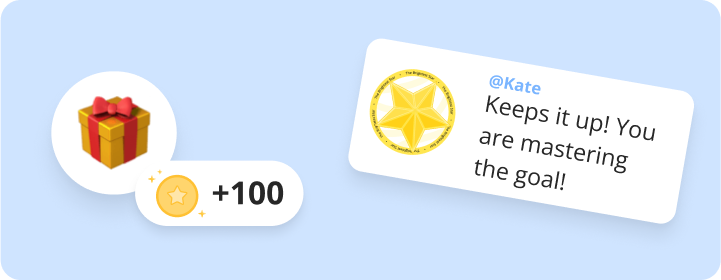
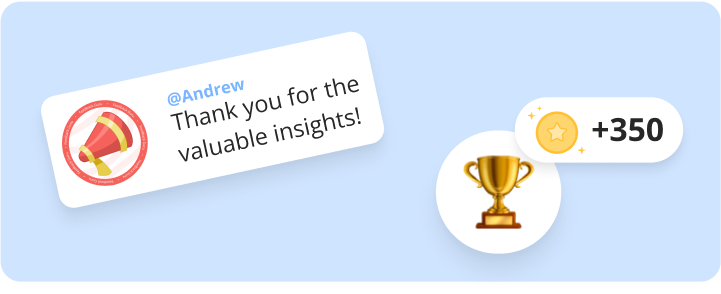
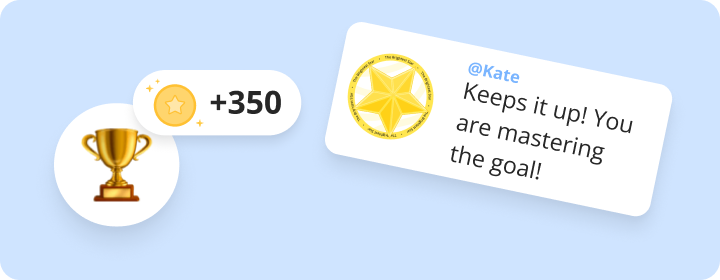
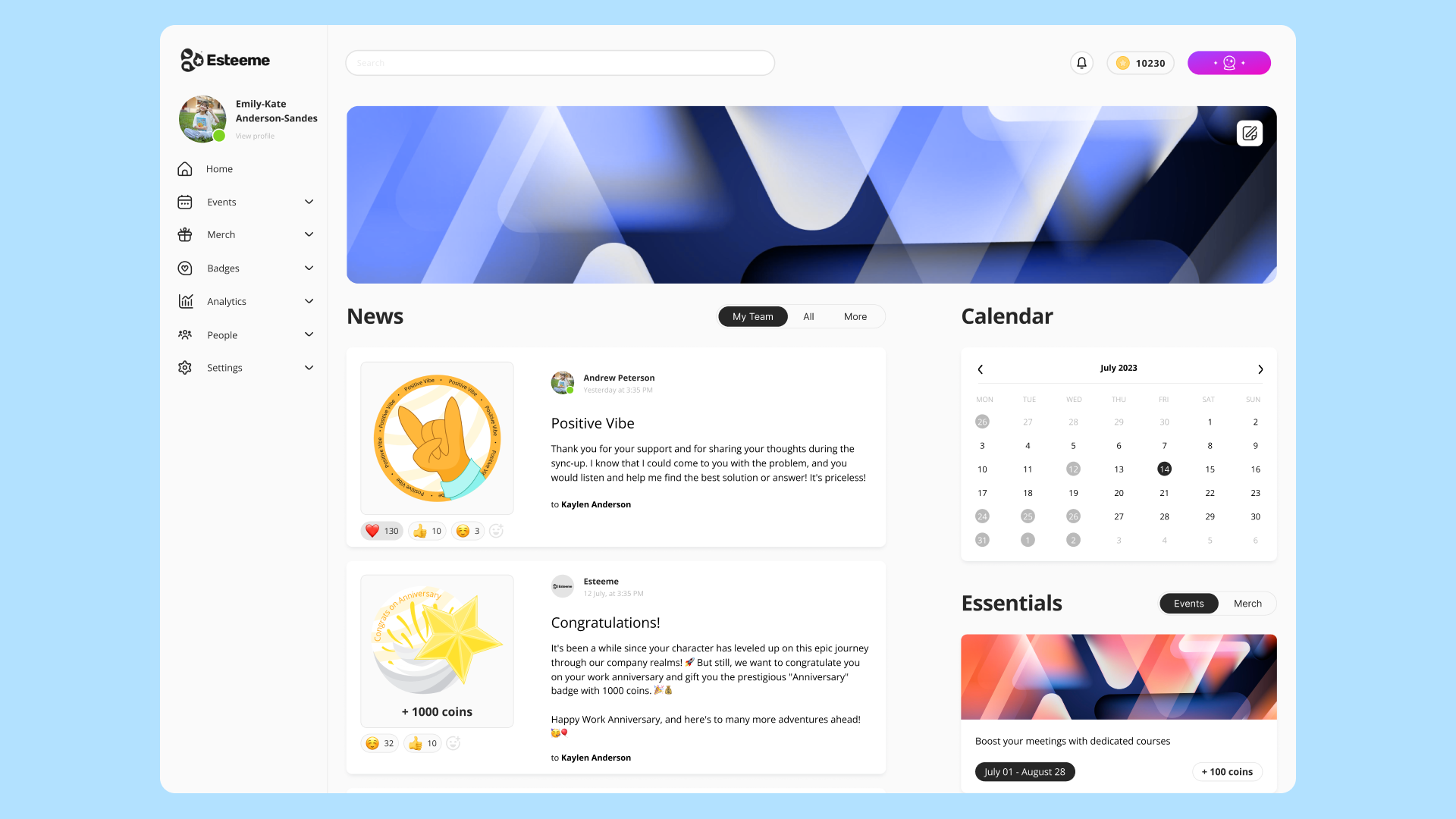
Platforms like Esteeme make this easier by allowing teams to launch Events (e.g., “Share a success story – earn 20 coins”), recognize peers, and reward real behavior without manual effort.
How to Start Gamifying Employee Experience
If you’re rethinking your engagement strategy, begin here:
Define behaviors you want to promote – e.g., feedback, learning, collaboration
Create clear incentives – symbolic rewards, coins, or team shout-outs
Use systems that automate the journey – tools like Esteeme trigger recognition for birthdays, anniversaries, and Events
Track and iterate – look at what drives real participation, and adjust
Even small nudges, when gamified properly, can shape culture.
Soft Power, Real Results
Employee experience is no longer about pushing updates—it’s about designing meaningful interactions. When you apply gamification principles thoughtfully, you tap into human motivation systems far more powerful than any company newsletter.
As hybrid work becomes the norm and attention spans shrink, businesses that treat experience as a designed system will win in the long run.
Related articles
See all Posts
Best Employee Recognition Software for Healthcare (2026)