
Motivation in business isn’t just about bonuses or team-building. It’s about how people experience progress, meaning, and recognition in their everyday work.
This article unpacks research-backed frameworks for designing motivation into your business processes—from onboarding to recognition.
We also explore how platforms like Esteeme help automate and personalize motivation at scale.
🔍 Why Motivation in Business Is a Design Challenge

According to Gallup’s 2025 global report, only 23% of employees worldwide feel engaged at work.
That’s not just an HR problem—it’s a business one. Disengaged employees are 64% more likely to burn out and 81% more likely to look for a new job.
Motivation drives:
Productivity
Innovation
Talent retention
Customer satisfaction
But here’s the catch: you can’t motivate people manually at scale. You need systems.
🎮 Motivation ≠ Perks. It’s a System
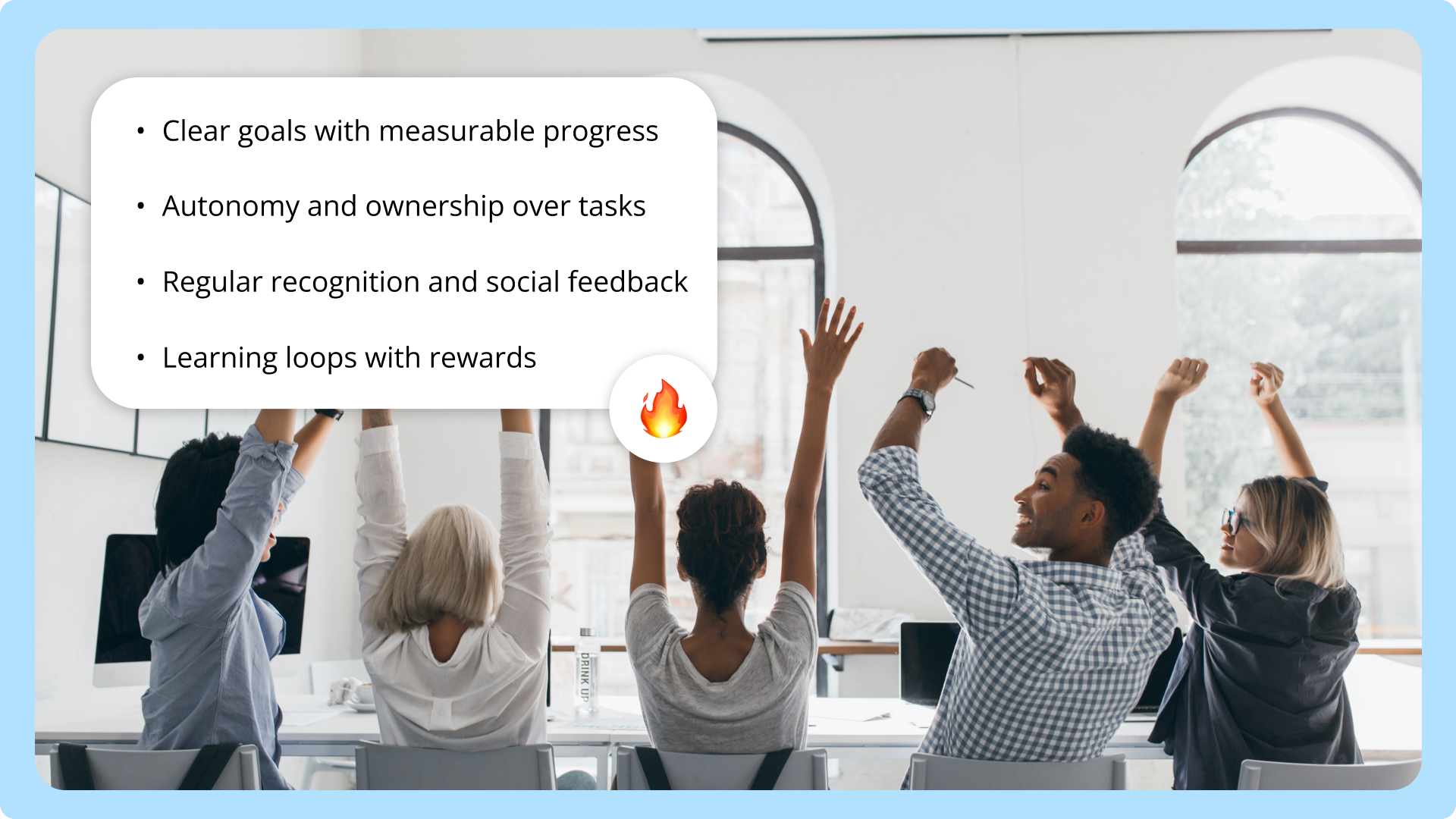
Modern motivation design in business relies on intentional systems—not sporadic gestures.
This includes:
Clear goals with measurable progress
Autonomy and ownership over tasks
Regular recognition and social feedback
Learning loops with rewards
A 2022 study in Harvard Business Review found that organizations that invest in motivational systems see up to 22% higher profitability than those relying solely on compensation-based motivation.
🎯 Motivation Frameworks You Can Apply Today
1.
Self-Determination Theory
Focuses on 3 pillars:
Autonomy: Allow choice in how work is done
Competence: Give challenges and feedback
Relatedness: Build social connection
💡 HR takeaway: Design activities that let people choose, grow, and connect—instead of forcing participation.
2.
Octalysis Framework by Yu-kai Chou
Highlights 8 core motivation drivers—from social influence to accomplishment.
Helps businesses design systems that appeal to intrinsic and extrinsic motivators.
💡 HR takeaway: Recognition, rewards, surprise mechanics, and status can all be embedded into workflows—not added after the fact.
3.
Fogg Behavior Model
Behavior = Motivation + Ability + Trigger
You need all three to drive consistent behavior.
💡 HR takeaway: Even the most inspired employee won’t act without easy access and a timely nudge.
💡 Where Esteeme Fits In
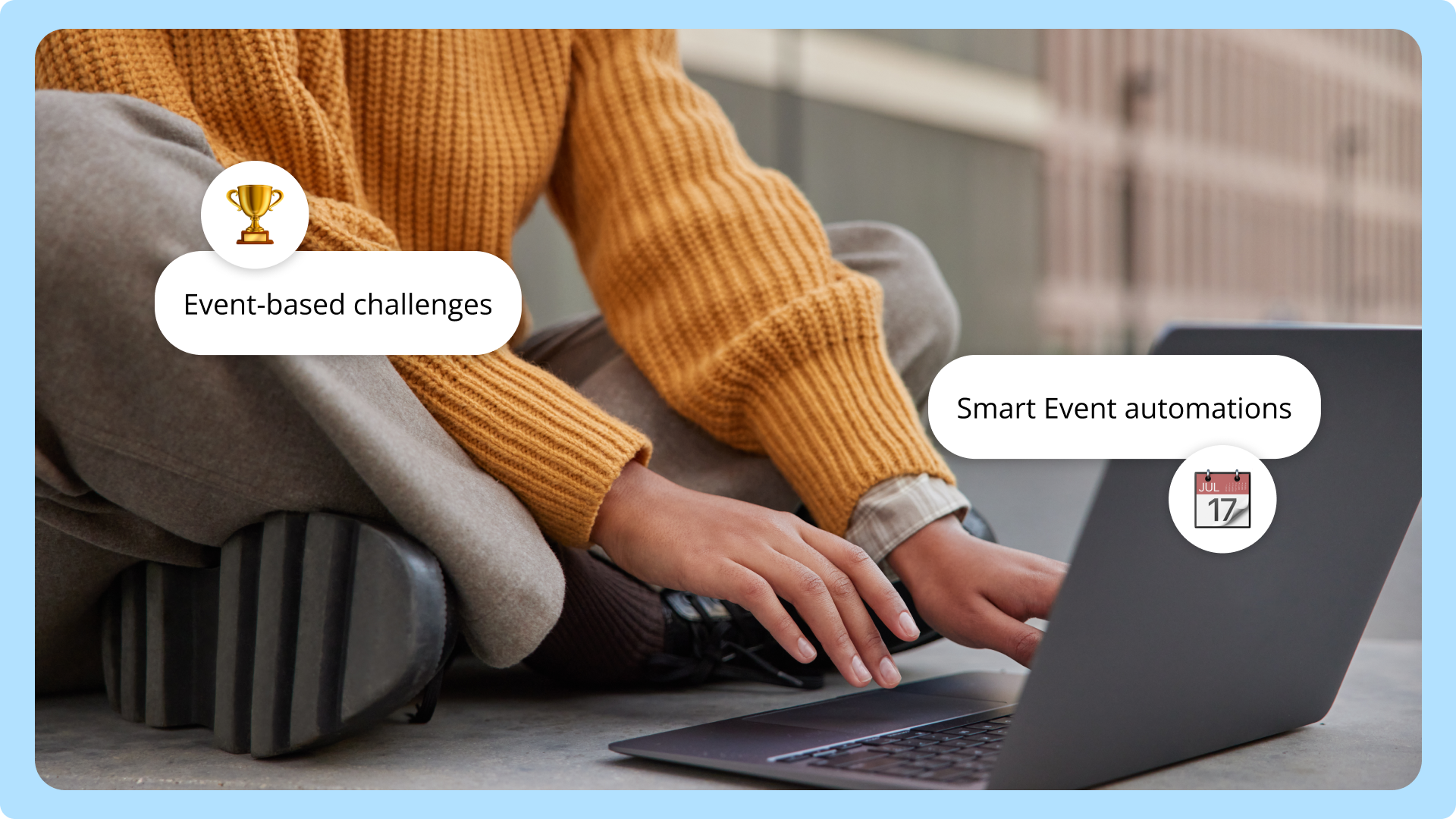
At Esteeme, we help companies move beyond shout-outs and swag.
With Event-based challenges and Smart Event automations, teams can:
Recognize colleagues on special dates
Reward goal achievement with internal currency (coins)
Track badge progress as part of career growth
Integrate motivation into Slack, Teams, or email—where work happens
Motivation becomes part of your operating system, not just a campaign.
🔗 Related Reads
FAQs
- Motivation in business refers to the systems and practices that encourage employees to perform at their best. It is critical because motivated employees drive stronger business outcomes, including higher productivity, better retention, and increased innovation.
- Organizations can motivate employees through recognition systems, peer feedback loops, and gamified experiences tied to purpose and progress. Platforms like Esteeme use coins and badges that feel meaningful without requiring increased spending.
- Common mistakes include treating motivation as a one-time initiative, focusing only on perks, and failing to measure impact. Effective motivation programs are continuous, personalized, and linked to meaningful behaviors rather than isolated events.
Related articles
See all Posts
Best Employee Recognition Software for Healthcare (2026)